A conversation over the weekend made me realise just how much misunderstanding still surrounds autistic kids and social events. As an autistic adult raising two neurodivergent boys, I often forget that what feels completely natural to us can be baffling to others. So, let me paint a picture.
My 6-year-old, H, was thrilled to be invited to a birthday party—especially one with a football theme. He’s recently built a connection with some older children at school through football, and being one of the few younger kids invited was a big deal. All week, he’d been, smiling and chattering about how excited he was to be doing something fun outside of school with children he genuinely liked.
But excitement can be a tricky thing when you’re autistic.
About 15 minutes before we were due to leave, the tears started. Suddenly, the questions poured out:
- “How many kids will be there?”
- “What team will I be on?”
- “Will I be allowed to play in goal?”
- “What if I don’t know what to do?”
The venue was unfamiliar. The grass was wet from the night before. Everything was unknown. His brain couldn’t process past the uncertainty.
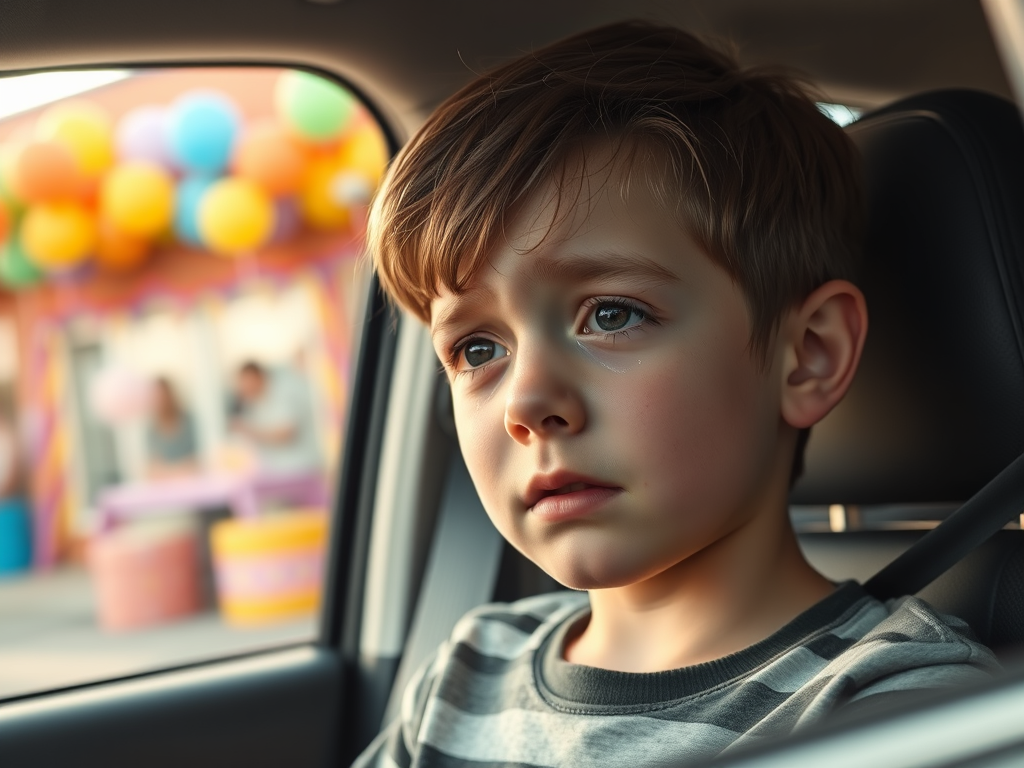
We made it to the venue and parked up. That’s when the shutdown hit. Silent tears rolled down his cheeks. He couldn’t speak. He couldn’t look at me. All I could do was sit beside him, remind him he wasn’t alone, and let him feel what he needed to feel.
In the end, we left.
Now, some people might say I should have pushed him to go in. “He’ll enjoy it once he’s there!” they say. But here’s what they don’t understand: this isn’t about willingness. H wanted to go. He was excited. But once his brain tipped into overwhelm, there was no coming back from that. No amount of pep talks or coaxing can fix a nervous system that’s gone into full alert.
There’s a common misconception that autistic kids avoid social events because they’re antisocial or just don’t care. That’s simply not true. Many of us deeply crave connection—we just have different limits and thresholds. And when those thresholds are breached, the emotional toll is real.
I won’t force H to go to parties. Life already has enough non-negotiables—school, routines, family dynamics. When it comes to optional social events, he gets to choose. I’ll support and encourage him, but when the tears turn into shutdown, that’s my sign. I’ll ask if we need to go home.
As someone who still feels these same emotions about situations I want to attend, but is old enough to know when I can push through it and when I need to hide under a blanket, I know he needs space to discover his boundaries. He’s learning to trust himself. And I trust him to do what is right.
There’s no correct way to socialise. There’s no standard timeline for how friendships are formed and maintained. Autistic children just do it differently—and with the right support, they’ll find their own way.


Leave a comment